
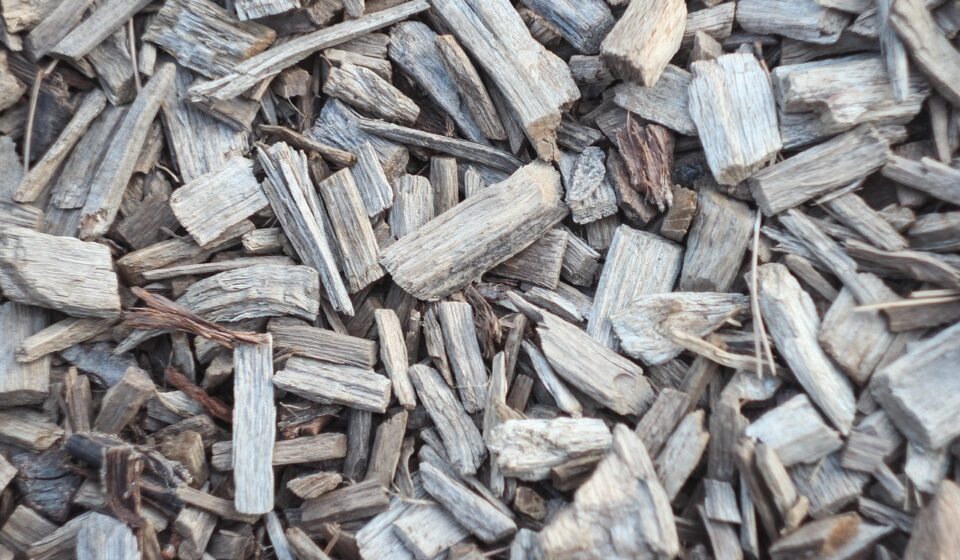
garden-budget/” title=”Fairy Targeter Grow a Garden: Budget Tips” rel=”dofollow”>garden bed refresh or a complete yard overhaul, often involve buying materials in bulk. Mulch is a prime example. It’s fantastic for suppressing weeds, retaining soil moisture, regulating soil temperature, and adding aesthetic appeal. But buying too much mulch means you’re paying for material you don’t need, which can add up quickly. Conversely, buying too little means a trip back to the store, potentially disrupting your workflow and project timeline.
Last updated: June 12, 2026
Practically speaking, a mulch calculator acts as your digital measuring tape and estimator. It takes the guesswork out of quantifying your needs, translating simple measurements into the precise volume of mulch required. This ensures you order the correct amount, whether in cubic yards for bulk delivery or a specific number of bags.
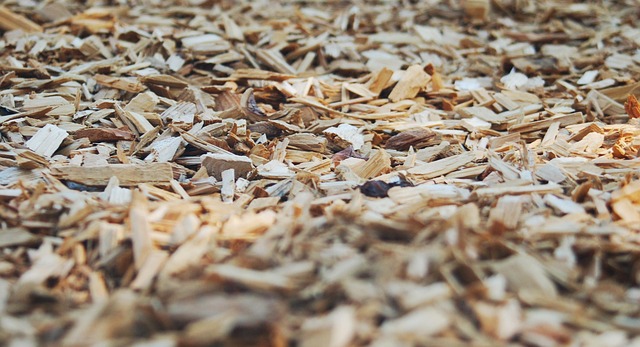
How Much Mulch Do I Really Need? The Core Calculation
The fundamental question is always, “How much mulch do I need?” The answer hinges on two primary factors: the area you need to cover and the desired depth of the mulch layer. Most calculators will ask for these measurements.
Area: This is the length and width of your garden beds, tree rings, or other landscaped zones. You’ll typically input these measurements in feet or meters. If you have irregularly shaped areas, you might need to break them down into simpler shapes like rectangles or circles and sum their volumes.
Depth: This is how thick you want your mulch layer to be. A common recommendation for most garden beds is 3 inches. This depth is usually sufficient for weed suppression and moisture retention without suffocating plant roots. For areas with heavy foot traffic or intense sun, you might opt for a slightly deeper layer, while areas around delicate seedlings might need less.
The mulch calculator then uses a formula to determine the total volume of mulch required. The standard unit of measurement for bulk mulch is the cubic yard (a cube 3 feet wide, 3 feet deep, and 3 feet high). If mulch is sold in bags, the calculator will often convert the total volume needed into the number of bags, typically 2-cubic-foot or 3-cubic-foot sizes.
Understanding Mulch Units: Cubic Yards vs. Bags
One of the most common points of confusion for DIY landscapers is the difference between buying mulch by the cubic yard and by the bag. Knowing this distinction is crucial when using a mulch calculator.
Bulk Mulch (Cubic Yards): This is typically purchased for larger projects. A cubic yard is a substantial amount of material. It’s often more cost-effective per unit volume for extensive landscaping. However, it usually requires a delivery fee and a large space for storage if you don’t plan to use it all at once.
Bagged Mulch: This is convenient for smaller projects or for topping up existing areas. Bags are easier to transport and handle. However, the cost per cubic yard is generally higher than buying in bulk. A standard 2-cubic-foot bag covers about 6-8 square feet at a 3-inch depth.
According to the National Association of Landscape Professionals (NALP) in 2026, bulk mulch often comes out to be about 30-50% cheaper per cubic yard than bagged mulch, making volume calculations critical for budget-conscious projects.
A mulch calculator helps you bridge this gap. You input your measurements, and it outputs the total cubic yards needed. You can then decide whether to order that volume in bulk or divide it by the volume per bag to determine how many bags to purchase.
Mulch Depth Matters More Than You Think
The recommended mulch depth is critical for both effectiveness and economy. Most experts, including those at the University of Georgia Extension, recommend a mulch layer of 3 inches for optimal benefits. This depth provides adequate weed suppression and moisture retention.
Applying mulch too thinly (e.g., 1–2 inches) won’t effectively block weeds and may require more frequent reapplication as it breaks down or washes away. On the other hand, applying mulch too thickly (e.g., 5-6 inches or more) can suffocate plant roots, leading to poor growth, yellowing leaves, and increased susceptibility to disease or pests. It also means you’re using far more material than necessary, driving up costs unnecessarily.
When using a mulch calculator, always pay attention to the depth setting. Ensure it’s set to your desired depth (typically 3 inches) to get an accurate volume estimate. If you’re unsure, err slightly on the side of caution with depth, but remember that more isn’t always better and will inflate your mulch needs. For instance, doubling the depth from 3 inches to 6 inches effectively doubles the amount of mulch you need, without necessarily doubling the benefits.

Common Mistakes to Avoid with Your Mulch Calculator
Even with a handy mulch calculator, errors can creep in. Here are common mistakes people make:
1. Inaccurate Measurements: This is the most frequent error. Simply guessing lengths and widths or not measuring accurately will lead to wrong calculations. Always use a tape measure for precise dimensions. For curved beds, use a flexible tape measure or a piece of string you can then measure against a straight tape.
2. Forgetting Overage: Landscaping areas are rarely perfectly uniform. Some spots might be lower, requiring more mulch, while others might be higher. It’s wise to add a buffer, typically 10-15%, to your calculated amount. Many calculators have an option to add an overage percentage. As cited by Landscape & Irrigation magazine in their 2025 planning guide, accounting for 10% overage is standard practice to cover settling, uneven terrain, and minor errors.
3. Not Accounting for Shape: While many calculators handle simple rectangles and circles, if you have L-shaped beds, triangular corners, or complex curves, you might need to break them down into smaller, calculable shapes or use a calculator that specifies advanced shapes. Not accounting for these complex geometries can lead to significant under- or over-ordering.
4. Misunderstanding Bag Size: As mentioned, bags come in different volumes (e.g., 2 cu ft, 3 cu ft). Ensure you know the bag size your calculator is using for conversion or divide your total cubic yardage by the bag’s cubic foot volume. Forgetting this can lead to buying far too many or too few bags.
5. Ignoring Settling: Freshly applied mulch will settle over time. The initial 3-inch layer might compact down to 2 inches relatively quickly. While you don’t need to calculate for this initially (as you’re applying the fresh layer), be aware that you might need to top up sooner than you think, especially with organic mulches.
Real-World Example: Calculating Mulch for a Garden Bed
Let’s say you have a rectangular garden bed that measures 10 feet long by 4 feet wide. You want to apply mulch at a depth of 3 inches. Here’s how you’d use a mulch calculator:
Step 1: Input Dimensions
Enter Length: 10 feet
Enter Width: 4 feet
Enter Depth: 3 inches
Step 2: Add Overage (Optional but Recommended)
Select Overage: 10%
Step 3: Review Results
The mulch calculator might show you need approximately 0.37 cubic yards of mulch. With the 10% overage, this increases to about 0.41 cubic yards.
If mulch is sold in 2-cubic-foot bags, the calculator would then convert this. Since 1 cubic yard is 27 cubic feet, 0.41 cubic yards is roughly 11.07 cubic feet. Dividing by 2 cubic feet per bag gives you approximately 5.5 bags. You’d likely round this up to 6 bags to be safe.
Tips for Buying Mulch: Bulk vs. Bags
Choosing between bulk and bags depends on your project size, budget, and logistical capabilities.
When to Buy Bulk:
- Large landscaping projects (over 200 sq ft).
- If you have a place to store it (a tarp can help protect it from excessive rain if not used immediately).
- When cost-efficiency is a priority.
- If you have a truck or trailer for pickup, or can arrange delivery.
When to Buy Bags:
- Small garden beds, tree rings, or containers.
- If you have limited space for storage or delivery.
- If you need precise quantities and want to avoid leftovers.
- If you’re doing a quick touch-up job.
From a different angle, consider the type of mulch. Some premium mulches (like dyed wood chips or specialty barks) might be more readily available in bags, while basic wood chips or composted bark are often cheaper in bulk. Always check local garden centers and landscape suppliers for their offerings and pricing as of June 2026.
Mulch Calculators and Cost Estimation
Many online mulch calculators go beyond just volume. They can also provide an estimated cost. This is incredibly useful for budgeting your landscaping project.
To estimate cost, the calculator needs to know the price per cubic yard or per bag. This information isn’t usually built-in, as prices vary significantly by region, supplier, and the type of mulch. You’ll typically need to input these prices yourself.
For example, if a local supplier charges $40 per cubic yard for shredded bark mulch and your calculator determined you need 0.41 cubic yards (including overage), your estimated cost would be around $16.40. If you were buying 2-cubic-foot bags at $5 each, and needed 6 bags, the total cost would be $30. This example highlights how bag costs can quickly exceed bulk costs for larger areas.
Always verify local pricing. Prices as of June 2026 can range from $30-$70 per cubic yard for bulk organic mulches, and $4-$8 per 2-cubic-foot bag. Specialty mulches or those with significant treatments can cost more.
Frequently Asked Questions About Mulch Calculation
How do I calculate mulch for a 100 sq ft area?
For a 100 sq ft area at a 3-inch depth, you will need approximately 2.5 cubic yards of mulch. If using 2-cu-ft bags, this translates to about 9–10 bags, accounting for slight overage.
What is the standard depth for mulch?
The standard and most recommended depth for mulch is 3 inches. Mulch calculator provides effective weed suppression and moisture retention without harming plant roots.
How many bags of mulch do I need for a flower bed?
This depends on the flower bed’s size and the mulch depth. A typical 4×8 foot flower bed (32 sq ft) with 3 inches of mulch will require about 1 cubic yard, which is roughly 4–5 bags of 2-cu-ft mulch.
What is the best mulch to use for weed suppression?
Thicker layers of organic mulches like wood chips, shredded bark, or compost are generally best for weed suppression, provided they are applied at the recommended depth.
Can I use a mulch calculator for gravel or other landscaping materials?
Yes, many mulch calculators can be adapted for other loose landscaping materials like gravel, sand, or stone. The core principle of calculating volume based on area and depth remains the same.
When should I apply mulch?
The best times to apply mulch are typically in the spring after the soil has warmed up, and in the fall to protect plant roots over winter. Applying in late spring can also help retain moisture during summer heat.
Conclusion: Mulch Smartly in 2026
Using a mulch calculator is a simple yet powerful tool for any homeowner or gardener. It transforms a potentially confusing task into a straightforward calculation, saving you time, money, and the frustration of ordering too much or too little mulch. By understanding your area, desired depth, and the units of sale, you can approach your next landscaping project with confidence. Make 2026 the year you master your mulch purchases and achieve healthier, more beautiful gardens.
Last reviewed: June 2026. Information current as of publication; pricing and product details may change.
Related read: Figuring Gravel: Your 2026 Guide to Estimating Needs and Costs
Editorial Note: This article was researched and written by the Novel Tech Services editorial team. We fact-check our content and update it regularly. For questions or corrections, contact us.