

Gadgets for Women in 2026: More Than Just Novelty
The modern woman juggles countless responsibilities, from professional pursuits to personal well-being and home management. As of June 2026, technology continues to evolve at a rapid pace, offering an expanding array of gadgets specifically designed to simplify tasks, enhance experiences, and provide moments of delight. These aren’t just fleeting trends; they are practical tools that can genuinely improve daily life.
For anyone navigating the ever-growing market of personal technology, understanding which gadgets offer real value is key. This guide explores some of the most impactful gadgets for women available today, focusing on those that blend functionality with user-friendly design.
Key Takeaways
- Smart wearables like Oura rings offer complete health insights, from sleep to stress.
- Innovative personal safety devices provide discreet, reliable protection for women on the go.
- Smart home hubs and devices automate tasks, saving time and enhancing convenience.
- Advanced skincare tools offer salon-quality treatments at home, promoting self-care.
- Productivity-focused gadgets, like smart notebooks and noise-canceling headphones, aid focus and efficiency.
Elevating Health and Wellness
As of 2026, the focus on complete health and wellness has never been stronger, and gadgets are playing a significant role. Advanced wearables offer more than just step counts; they provide deep insights into sleep patterns, stress levels, and recovery, empowering users to make informed decisions about their well-being.
The Oura Ring 4, for instance, is a prime example. It discreetly tracks key physiological metrics, offering personalized recommendations. According to Oura Health (2026), users report improved sleep quality and better stress management by understanding their body’s readiness scores. While it’s a significant investment, typically ranging from $299 to $399 with optional subscription tiers, its complete data can guide fitness and lifestyle adjustments.
Beyond sleep, smart skincare devices are transforming at-home beauty routines. Tools like the Solawave 4-in-1 Radiant Renewal Skincare Wand combine red light therapy, microcurrent, and therapeutic warmth to improve skin tone and reduce signs of aging. These devices aim to replicate professional spa treatments, offering convenience and long-term skin health benefits. While prices can vary, models like the Solawave often retail around $169, providing a cost-effective alternative to regular in-office treatments.

Discreet Protection and Peace of Mind
Personal safety remains a paramount concern for many women. Fortunately, technology is offering increasingly sophisticated and discreet solutions. Gone are the days of bulky alarms; modern personal safety gadgets are designed to be stylish, portable, and easy to activate in an emergency.
The Birdie Personal Safety Alarm is a popular choice, often retailing around $30-$40. This small, keychain-sized device emits a piercing 130-decibel siren when activated, designed to startle attackers and attract attention. Its simple pull-pin mechanism ensures quick deployment, and its design makes it blend in with everyday accessories. It’s a practical tool for students, commuters, or anyone who wants an extra layer of security.
From a different angle, apps that use location sharing and emergency contact alerts are also invaluable. Services like Apple AirTag, while not exclusively a safety device, can be discreetly placed in bags or attached to keys, allowing for tracking in case of loss or theft. The true value here lies in the peace of mind that comes with knowing you have a backup system, especially when navigating unfamiliar environments. These gadgets empower women to feel more secure in their daily lives.
Smart Home Automation and Convenience
Smart home technology continues to mature, offering practical solutions that save time and reduce mental load. For women managing households, smart home devices can automate routine tasks, control lighting and temperature, and even assist with shopping and meal planning.
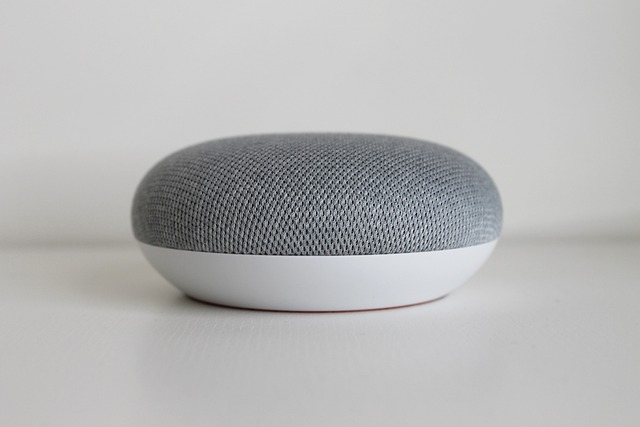
Smart hubs like Amazon Echo or Google Nest, often available for under $100, serve as the central command for a connected home. They allow voice control over compatible devices, set reminders, play music, and answer quick questions. For instance, a user might say, “Alexa, set a timer for 30 minutes” while cooking, or “Hey Google, dim the living room lights.” This hands-free operation is invaluable when multitasking.
Beyond hubs, smart appliances are making inroads. Smart refrigerators can track inventory and suggest recipes, while smart ovens can be preheated remotely. Even simple smart plugs, costing around $10-$20 each, can turn any ordinary lamp or appliance into a smart device, controllable via an app or voice assistant. The practical benefit is clear: less time spent on mundane tasks means more time for personal pursuits or relaxation.
Boosting Productivity and Focus
In today’s demanding world, maintaining focus and productivity is crucial. Gadgets that help manage distractions and optimize workflows are highly sought after by women balancing work, study, and personal projects.
High-quality noise-canceling headphones, such as those from Bose or Sony, are indispensable for creating a personal quiet zone. These can range from $200 to $400 but are transformative for concentration in noisy environments, whether at home, in a co-working space, or during travel. They allow users to immerse themselves in their work or enjoy audio content without interruption.
For those who prefer a tangible way to capture ideas, smart notebooks offer a bridge between analog and digital. Devices like the Rocketbook (often priced between $25-$40) allow users to write with a special pen on reusable pages, then scan and upload notes to cloud services like Google Drive or Dropbox. Gadgets for Women in 2026: Tech That Simplifies and Delights provides the tactile satisfaction of writing while offering the organizational benefits of digital storage. According to user reviews and product demonstrations, these notebooks offer a sustainable and efficient way to manage notes for students and professionals alike.
What this means in practice is a more streamlined workflow. Instead of juggling multiple notebooks and apps, users can consolidate their thoughts and tasks, leading to improved efficiency and reduced stress. The goal is to make technology serve the user’s focus, not detract from it.
How to Choose the Right Gadgets for You
Selecting the perfect gadget isn’t just about the latest features; it’s about finding solutions that genuinely fit your lifestyle and needs. As of June 2026, the market is flooded with options, making a thoughtful approach essential.
1. Identify Your Needs and Pain Points
Start by honestly assessing your daily routines. Where do you spend the most time? What tasks feel repetitive or frustrating? Are you looking to improve health, boost productivity, enhance home convenience, or simply find new ways to relax and enjoy yourself? For example, if you struggle with sleep, a wellness tracker might be a priority. If your home office is chaotic, smart organization tools could be key.
2. Consider Your Existing Ecosystem
Many gadgets work best when integrated with other devices. If you’re already invested in the Apple ecosystem, AirTags or Apple Watch accessories might be a natural fit. Similarly, if you primarily use Google Assistant, choosing smart home devices that are compatible with Google Home will offer a more smooth experience. Checking for compatibility before purchasing can save significant frustration later.
3. Set a Realistic Budget
Gadgets for women range from affordable impulse buys to significant investments. Determine how much you’re willing to spend. While high-end devices often boast advanced features, mid-range and even budget options can offer substantial value. For instance, a basic smart plug ($10-$20) can automate a lamp, while an advanced smart fridge might cost upwards of $1,500. According to consumer reports from 2025, the sweet spot for many useful gadgets often lies between $50 and $200, offering a good balance of features and price.
4. Read Reviews and Research
Don’t rely solely on marketing. Look for unbiased reviews from reputable tech sites and real user feedback on retail platforms. Pay attention to common complaints or praises. For example, while a device might promise long battery life, user reviews might reveal it drains quickly under heavy use. Websites like PC Mag and Wirecutter often provide in-depth reviews that can be incredibly helpful.
5. Prioritize Ease of Use and Design
Ultimately, a gadget should simplify your life, not complicate it. Consider the user interface, setup process, and overall design. Does it feel intuitive? Is it aesthetically pleasing to you? For many women, the visual appeal and ergonomic design of a gadget are just as important as its technical specifications. A device that’s difficult to use or understand will likely end up gathering dust, regardless of its capabilities.

Common Mistakes When Buying Gadgets
Even with careful consideration, shoppers can fall into common traps when purchasing gadgets. Being aware of these pitfalls can help you make more satisfying and practical choices.
1. Impulse Buying Based on Hype
The allure of new technology and flashy marketing can lead to purchasing items that don’t align with actual needs. A gadget might be the “latest thing,” but if it doesn’t solve a problem or enhance a routine, it’s essentially clutter. For example, buying a smart mug might seem appealing, but if you rarely drink hot beverages or prefer to drink them quickly, the novelty will likely wear off.
2. Ignoring Compatibility and Ecosystem Integration
Purchasing a gadget that doesn’t work well with your existing devices can lead to frustration. A smart home device that isn’t compatible with your preferred voice assistant or a wearable that doesn’t sync reliably with your phone creates more problems than it solves. Always check system requirements and connectivity protocols before buying.
3. Overlooking Privacy and Security Concerns
Many smart gadgets collect personal data. It’s crucial to understand how a device collects, stores, and uses your information. Research the manufacturer’s privacy policy and security practices. For instance, smart cameras or voice assistants require a degree of trust in the company providing them. According to the FTC (2026), consumers should be aware of data collection practices and opt for devices with strong security features and transparent policies.
4. Underestimating the Learning Curve
Some advanced gadgets, while powerful, require time and effort to master. Assuming a device will be instantly intuitive can lead to disappointment. Consider how much time you’re willing to invest in learning to use a new tool effectively. A complex drone or a high-end camera might offer incredible capabilities, but only if you’re prepared to learn its operation.
5. Focusing Only on Features, Not Actual Usefulness
A gadget with a dozen features is only useful if you use at least a few of them consistently. Instead of getting swayed by a long list of specifications, think about the core functions you need and how well the gadget performs them. A simple, well-executed gadget that addresses a specific need is often more valuable than a complex one with many underused features.
Expert Tips for Smart Gadget Selection
Drawing from years of observing tech trends and user behavior, here are some practical tips to help you select gadgets that truly add value:
1. Start with One or Two Key Areas
Instead of trying to outfit your entire life with smart tech at once, focus on one or two areas where you feel technology can have the biggest impact. Perhaps it’s improving your morning routine with a smart alarm clock and coffee maker, or enhancing your fitness with a quality tracker and smart water bottle. Building a smart ecosystem gradually allows you to adapt and ensure each purchase is well-considered.
2. Look for Long-Term Value and Durability
Consider how long you expect a gadget to last and how it might integrate with future technology. While fast fashion applies to some tech, investing in well-built, durable items from reputable brands can save money and reduce e-waste in the long run. For example, a high-quality pair of noise-canceling headphones may last for years, whereas a budget pair might need frequent replacement.
3. Prioritize User Reviews for Real-World Performance
Professional reviews are helpful, but real-world user feedback often reveals practical limitations and benefits that reviewers might miss. Look for recurring themes in user comments regarding battery life, ease of use, customer support, and durability. Websites like Amazon, Best Buy, and tech forums are excellent sources for this type of information. A common theme in user reviews for smart home devices in 2026 was the ease of setup, which varied significantly by brand.
4. Consider Sustainability and Repairability
As environmental consciousness grows in 2026, look for brands that prioritize sustainable manufacturing and offer repair services. Devices designed for longevity and ease of repair are not only better for the planet but can also be more cost-effective over time. Some companies are beginning to offer modular designs, making it easier to replace individual components rather than the entire device.
5. Don’t Forget the Basics Still Matter
Sometimes, the most effective “gadget” is simply good organization and time management. Ensure you’re not overlooking simple, non-tech solutions to problems. A well-designed planner, a dedicated workspace, or a consistent routine can be just as powerful as any smart device. Gadgets should complement, not replace, fundamental good practices.
Frequently Asked Questions
What is the most popular gadget for women in 2026?
As of June 2026, wearable health trackers, smart home devices, and advanced personal safety alarms are among the most popular gadgets for women, offering practical benefits for daily life, wellness, and security.
Are tech gadgets worth the investment for women?
Yes, for many women, tech gadgets are a worthwhile investment if they genuinely solve problems, save time, improve health, or enhance convenience. The key is to choose items that align with personal needs and offer tangible benefits rather than just novelty.
What kind of gadgets help women with stress management?
Gadgets that promote stress management include advanced sleep trackers (like Oura Ring), meditation apps integrated with wearables, smart diffusers, sunrise alarm clocks that offer gentle wake-ups, and noise-canceling headphones for creating quiet spaces.
Can gadgets help women improve their work productivity?
Absolutely. Noise-canceling headphones for focus, smart notebooks for efficient note-taking, portable chargers to keep devices powered, and smart displays for task management can all contribute to improved productivity for women in the workplace or remote settings.
What are some affordable tech gadgets for women?
Affordable options include smart plugs, basic fitness trackers, personal safety alarms like Birdie, portable power banks, screen cleaning kits, and smart bulbs. These items offer practical utility without a high price tag.
How do I know if a gadget is secure and private?
Research the manufacturer’s privacy policy and security features. Look for devices with strong encryption, regular software updates, and transparent data handling practices. Check reviews and reports from consumer protection agencies like the FTC for insights into common security issues.
Conclusion: Smart Tech for a Smarter Life
The world of gadgets for women in 2026 offers a compelling array of tools to enhance everyday living. From sophisticated health trackers that empower personal wellness to smart home devices that simplify household chores, technology is increasingly tailored to meet the diverse needs of modern women. By focusing on practical utility, smooth integration, and personal needs, investing in the right gadgets can lead to significant improvements in efficiency, well-being, and overall quality of life.
Actionable Takeaway: Identify one daily task that consumes too much time or causes frustration, and research a single smart gadget that could genuinely simplify or eliminate it. Start small and experience the tangible benefits.
Last reviewed: June 2026. Information current as of publication; pricing and product details may change.
Related read: Gadgets for Women in 2026: Smart Tech for Everyday Life Knowing how to address Gadgets for Women in 2026: Tech That Simplifies and Delights early makes the rest of your plan easier to keep on track.