What Exactly is Espacio Invisible?
For anyone working through the nuances of design, communication, or even human interaction, the concept of ‘espacio invisible‘—invisible space—is a fascinating and often underappreciated element. As of June 2026, we’re increasingly recognizing that what we don’t see profoundly impacts our experience of what we do see. It’s the conceptual void, the potential energy, the implied connection that guides our perception.
Last updated: June 11, 2026
Think of it not as literal emptiness, but as the framework or context that gives meaning to visible elements. This includes everything from the silence between musical notes that creates melody, to the breathing room around text on a webpage that makes it readable, to the psychological distance we maintain in social interactions.
Key Takeaways
- Espacio invisible refers to the unseen elements that define and influence our perception of space and interaction.
- It encompasses physical, psychological, and conceptual voids that provide context and meaning.
- Understanding invisible space is vital for effective design, communication, and user experience.
- Applications range from art and architecture to digital interfaces and social dynamics.
This concept challenges us to look beyond the tangible and consider the subtle, yet powerful, forces that shape our reality. It’s about the absence that creates presence, the quiet that defines sound, and the potential that guides action.
The Psychology Behind Unseen Spaces
Our brains are wired to fill in the gaps, to infer relationships, and to create meaning from incomplete information. This is where the psychology of espacio invisible truly shines. When we encounter a space, whether physical or digital, our minds are constantly processing not just the objects present, but the relationships between them and the areas surrounding them.
Consider a minimalist art piece. The canvas might be predominantly white, but the strategically placed brushstrokes create a focal point and evoke emotion. The white space, or ‘negative space,’ is not merely a backdrop; it’s an active participant in the composition, guiding the viewer’s eye and enhancing the impact of the painted elements. According to research in perceptual psychology, the brain actively seeks patterns and order, and unused areas help define the boundaries and importance of present ones.

From a different angle, in user interface (UI) design, the strategic use of whitespace—often referred to as ‘negative space’—is paramount. A cluttered interface overwhelms users, making it difficult to find information or complete tasks. By contrast, a well-designed interface uses ample invisible space to separate elements, create visual hierarchy, and improve overall usability. Studies from Nielsen Norman Group consistently show that increased whitespace can lead to better task completion rates and user satisfaction.
Invisible Space in Design and Architecture
In architecture and interior design, espacio invisible plays a critical role in how we experience buildings and spaces. It’s not just about walls and furniture; it’s about the flow of movement, the sense of volume, and the psychological comfort derived from adequate spatial separation.
A grand hall might feel awe-inspiring due to its sheer scale, but it’s the vastness of the empty space above and around the occupants that truly conveys its grandeur. Conversely, a small room can feel claustrophobic if it’s overfilled with furniture, leaving no ‘breathing room.’ Architects and designers use principles of spatial cognition to ensure that the perceived size and function of a space align with its intended purpose. For example, a public plaza needs open, inviting invisible space to encourage gathering, while a private study requires a more contained, focused environment.
Practically speaking, the invisible space between furniture arrangements in a living room dictates traffic flow and conversational zones. A well-planned layout ensures that people can move freely and comfortably, fostering a more enjoyable and functional environment. The invisible space around a piece of art on a gallery wall also gives it prominence and allows viewers to appreciate it without distraction.
Digital Realms and Intangible Environments
The concept of espacio invisible extends powerfully into the digital world. In web design, app development, and virtual reality (VR) or augmented reality (AR) environments, what isn’t explicitly shown or programmed can still profoundly influence the user experience.
Consider the user interface of a mobile app. The invisible space between buttons, text fields, and images is what allows users to intuitively tap the correct element and read content without strain. This ‘digital negative space’ is as important as the visible design elements. According to UX research by Interaction Design Foundation, effective use of whitespace improves readability by up to 20%, a significant factor in user engagement as of 2026.
In virtual environments, the ‘invisible’ physics or the implied boundaries of a game world dictate player movement and interaction. While players see the rendered landscape, the underlying code and design decisions about what is traversable and what is not constitute a form of invisible space. For instance, in a VR training simulation for surgeons, the invisible space around the patient model dictates the safe operating zone, crucial for effective learning.
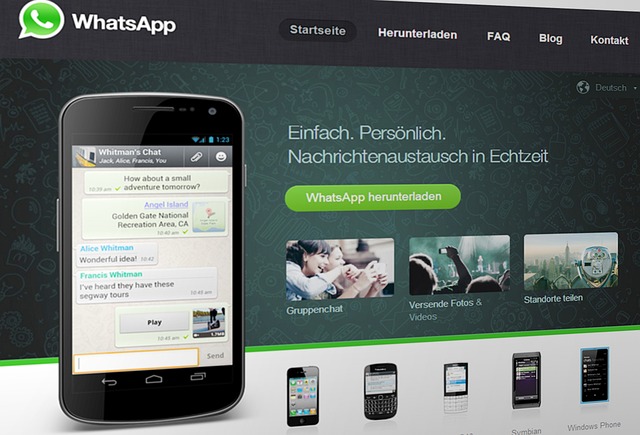
The intangible environments we create with technology often rely heavily on inferred or implied spatial relationships. When we collaborate on documents online, the invisible space of the shared digital platform allows for asynchronous or synchronous interaction, even without physical co-presence.
using Espacio Invisible for Project Success
Understanding and intentionally designing for espacio invisible can provide a significant competitive edge in many fields. It’s about create environments—physical, digital, or conceptual—that feel intuitive, purposeful, and impactful.
In marketing, for example, the ‘invisible space’ around a brand’s message can be as important as the message itself. This includes the tone of voice, the visual aesthetics of advertising, and the overall brand experience. A brand that uses its ‘invisible space’ effectively—perhaps through subtle, elegant design or a consistent, understated tone—can build a stronger, more resonant connection with its audience than one that relies solely on loud, overt messaging.
For business leaders, recognizing espacio invisible means understanding the unwritten rules of organizational culture, the psychological impact of office layouts, and the implicit communication that occurs daily. Fostering an environment where employees feel they have ‘space’ to think, to err, and to grow is vital for innovation and retention. According to a 2026 report by Deloitte on workplace culture, organizations that prioritize psychological safety and autonomy—forms of invisible space—saw a 15% increase in employee engagement.
Practical Tips for Applying Invisible Space
How can you actively incorporate the principles of espacio invisible into your work? It starts with mindful observation and intentional design.
1. Observe and Analyze: Before designing or making changes, spend time observing how people interact with existing spaces. Where do they naturally pause? Where do they hesitate? What areas feel too crowded or too empty? This observational data is your first insight into the invisible dynamics at play.
2. Embrace ‘Breathing Room’: Whether it’s a webpage, a presentation slide, or a room layout, don’t be afraid of empty space. Whitespace, clear pathways, and moments of visual quiet can dramatically improve clarity and impact.
3. Consider the ‘In-Between’: Pay attention to the connections, transitions, and distances between elements. How does the space between words affect readability? How does the distance between people affect comfort? How does the pause between musical notes affect the melody?
4. Design for Flow: In physical or digital spaces, ensure there are clear, intuitive paths for movement and interaction. This invisible structure guides users and reduces cognitive load. For example, ensure call-to-action buttons are easily accessible without overwhelming the user.
5. Think Psychologically: Consider the emotional and psychological impact of the space. Does it feel inviting, overwhelming, serene, or chaotic? This is particularly crucial in environments designed for well-being, such as healthcare facilities or educational institutions.
Common Mistakes with Espacio Invisible
One of the most frequent errors is simply overlooking the importance of negative space. Designers and creators often fall into the trap of filling every available area with content or objects, believing that more is always better. This leads to cluttered, overwhelming, and ultimately less effective experiences. A website with too much text crammed onto one page, or a room packed with furniture, both suffer from a lack of judiciously used invisible space.
Another mistake is treating invisible space as an afterthought, something to be added only if there’s ‘room left over.’ Instead, it should be a foundational design consideration, planned from the outset. This means understanding that the ’empty’ areas are as critical to the overall composition and user experience as the ‘filled’ areas. For instance, when planning a public event space, allocating adequate open areas for movement and spontaneous interaction is as important as placing the stage and seating.

A third common pitfall is failing to consider the cultural or psychological context. What constitutes ‘appropriate’ invisible space can vary significantly. For example, personal space norms differ greatly across cultures. A design that respects these invisible boundaries will be far more successful than one that ignores them. This applies equally to digital spaces, where the ‘expected’ level of detail or ‘busyness’ can vary by platform or user demographic.
Frequently Asked Questions
What is the core idea of ‘espacio invisible’?
Espacio invisible refers to the conceptual, psychological, and physical ’empty’ or ‘unseen’ areas that define, contextualize, and give meaning to visible elements in any environment. It’s the unseen framework that shapes perception.
How does invisible space impact user experience?
It significantly impacts UX by improving readability, reducing cognitive load, creating clear visual hierarchy, and guiding user interaction. Well-managed invisible space makes digital products intuitive and enjoyable to use.
Can you give an example of invisible space in art?
Certainly. In a painting, the blank canvas surrounding the subject is negative space. It helps define espacio invisible, create balance, and evoke emotion without being directly depicted.
Is ‘negative space’ the same as ‘espacio invisible’?
Yes, ‘negative space’ is a very common and closely related term, particularly in visual arts and design, referring to the area around and between the subjects of an image. Espacio invisible is a broader concept that includes psychological and abstract dimensions.
How can I apply invisible space principles in my daily life?
You can apply it by decluttering physical spaces, ensuring adequate personal distance in conversations, using pauses effectively in speech, and creating ‘breathing room’ in written communication.
What are the benefits of considering invisible space in technology?
In technology, it leads to more intuitive interfaces, better usability, reduced errors, and improved user engagement. It’s fundamental to creating effective digital products and immersive virtual experiences.
Conclusion: Embracing the Unseen
As of June 2026, the understanding and intentional application of espacio invisible are no longer niche concepts but essential skills for anyone aiming to create impactful and user-centric experiences. By consciously designing for what is not immediately apparent—the silence, the gaps, the implied connections—we can unlock deeper levels of meaning, usability, and engagement.
The next time you interact with a website, enter a room, or even engage in a conversation, take a moment to appreciate the ‘invisible space.’ It’s often where the most profound design decisions are made and where true connection and understanding are forged.
Last reviewed: June 2026. Information current as of publication; pricing and product details may change.
Editorial Note: This article was researched and written by the Novel Tech Services editorial team. We fact-check our content and update it regularly. For questions or corrections, contact us.