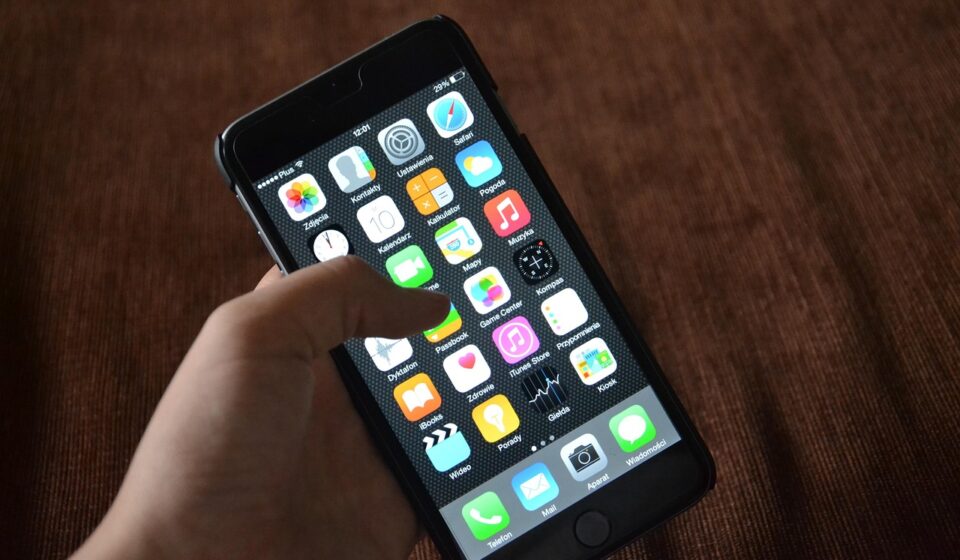
The iPhone 20: A Glimpse into Apple’s Future for 2026
For anyone tracking the evolution of personal technology, the upcoming iPhone 20 represents more than just a new model; it’s a potential milestone. As Apple approaches the 20th anniversary of its revolutionary smartphone, speculation is rife about what groundbreaking features and design changes will define the iPhone 20 in 2026. This guide delves into the most compelling rumors, expert analyses, and industry trends shaping our expectations for Apple’s next flagship device.
Last updated: May 6, 2026
Key Takeaways
- The iPhone 20, expected in 2026, may feature a significant redesign for Apple’s 20th anniversary.
- Rumors suggest an all-glass construction, potentially with a quad-curved display and a bezel-less aesthetic.
- Solid-state buttons and advanced haptic feedback systems are anticipated, moving away from physical buttons.
- Exclusive OLED deals and potential DRAM shortages could influence pricing, making the iPhone 20 a premium offering.
- Camera advancements and new display technologies are expected, continuing Apple’s trend of iterative hardware improvements.
The 20th Anniversary: What it Means for iPhone 20
The year 2026 marks a significant point in the iPhone’s history – its 20th anniversary. This naturally fuels anticipation for a potentially transformative release, moving beyond typical year-over-year incremental updates. Apple has a history of making milestone product launches special, and the iPhone 20 is widely expected to be no exception. It’s a chance for Apple to redefine the smartphone experience, perhaps by introducing a design language that sets the tone for the next decade.
Industry insiders suggest that this anniversary model could see a radical departure from current designs. This could manifest in a completely new chassis material, a novel display integration, or even a shift in how users physically interact with the device. The pressure is on Apple to deliver something truly novel, not just an iteration, to honor two decades of mobile innovation that began with the original iPhone.
Revolutionary Design: The All-Glass Future?
One of the most persistent rumors surrounding the iPhone 20 points towards a significant material shift: an all-glass construction. This isn’t just about aesthetics; it could fundamentally change how the device feels and functions. Imagine a smooth unibody, free from visible seams or antenna bands, creating an uninterrupted, elegant surface. This approach, sometimes referred to as ‘liquid glass,’ could offer a more immersive and premium tactile experience.
This all-glass vision might extend to the display itself, with reports of a potential quad-curved screen. Such a design would wrap the display further around the edges, minimizing or even eliminating bezels entirely. This creates a more expansive viewing area and a sleeker, more modern profile. However, such intricate glass designs also present manufacturing challenges and potential durability concerns. A drop could be far more costly if the entire device is encased in glass.
Solid-State Buttons: The End of Physical Switches?
Another exciting, albeit speculative, feature for the iPhone 20 is the introduction of solid-state buttons. Instead of traditional physical buttons that move when pressed, these would be fixed, using haptic feedback to simulate the sensation of a click. This technology, seen in some Apple devices like the MacBook trackpad and the now-discontinued Home button on older iPhones, offers several advantages.
Solid-state buttons could improve water and dust resistance, as there are fewer openings for contaminants to enter. They also allow for more customization, potentially enabling different haptic responses for various functions or even entirely new interaction methods. However, the transition away from physical buttons is a significant user interface change. Some users prefer the definitive tactile feedback of a physical switch, and the reliability of haptic actuators in all conditions will be critical for user acceptance. Apple Insider reported on this possibility in early May 2026, highlighting it as a key potential innovation.
Display Technology: Beyond the Notch
The display is the primary interface for any smartphone, and Apple consistently pushes its boundaries. For the iPhone 20, the elimination of bezels is a strong possibility, leading to a truly edge-to-edge screen. This implies that the notorious notch, or even the Dynamic Island, might be replaced by an under-display camera and sensor array. This would offer an uninterrupted viewing experience, ideal for media consumption and immersive gaming.
The rumored exclusive OLED deal with Samsung Display, as reported by The Korea Herald on April 29, 2026, suggests a focus on latest OLED technology. This could mean enhanced brightness, deeper blacks, improved color accuracy, and greater power efficiency. We might also see advancements in refresh rate technology, perhaps pushing beyond the current ProMotion displays to offer even smoother scrolling and animations, making the iPhone 20s visuals incredibly fluid.
Camera Advancements: Capturing the Future
While Apple typically refines its camera systems year-on-year, the iPhone 20 could see more substantial upgrades. Rumors point towards a potential ‘quad-curved’ display design, which might influence the physical layout of the camera module. It’s also plausible that Apple will continue to explore larger sensors, improved optical zoom capabilities (perhaps with periscope lens technology), and enhanced computational photography algorithms. Advances in AI and machine learning will undoubtedly play a crucial role in image processing, enabling features like real-time video enhancement, superior low-light performance, and more sophisticated portrait modes.
The integration of new sensor technology could also lead to improved depth sensing for AR applications and more accurate facial recognition. As display technology evolves to hide cameras, the front-facing camera system might also see significant upgrades, potentially moving under the display without compromising image quality. This continuous pursuit of photographic excellence is a hallmark of the iPhone, and the iPhone 20 will likely continue this legacy.
Performance and Internals: Powering Tomorrow’s Mobile
Under the hood, the iPhone 20 will almost certainly feature Apple’s next-generation A-series chip, likely the A18 Bionic (or a similar designation). This chip will bring performance boosts in raw processing power, graphical capabilities, and AI/ML tasks. We can expect further efficiency improvements, contributing to better battery life despite the increased demands of new features.
However, a significant challenge on the horizon is the potential for DRAM shortages, as highlighted by Wccftech on May 1, 2026. DRAM (Dynamic Random-Access Memory) is crucial for smartphone performance, and any scarcity could impact production volumes and drive up costs. This, coupled with exclusive OLED deals that might limit supply chain options, could make the iPhone 20 a particularly expensive device, potentially placing it out of reach for many consumers.
Potential Price Hikes and Availability Concerns
The confluence of advanced technologies, exclusive component deals, and potential supply chain issues paints a picture of a premium-priced iPhone 20. Wccftech specifically warned of a potential major price hike due to these factors. Apple has consistently positioned its Pro models at the higher end of the market, and the 20th-anniversary edition is likely to push this further. Consumers might need to brace for higher starting prices compared to current models.
Availability could also be a concern, especially in the initial launch window. If DRAM shortages or manufacturing complexities with new designs (like the all-glass body or quad-curved display) prove significant, Apple might struggle to meet initial demand. This could lead to extended waiting times for pre-orders and staggered regional rollouts, a familiar pattern for highly anticipated Apple products. Planning your purchase well in advance will be advisable for those eager to get their hands on the iPhone 20 as soon as it launches in 2026.
iPhone 20 vs. Current Models: What’s the Real Upgrade?
When considering a new iPhone, the key question is always: how much better is it than the model I have now? For the iPhone 20, the potential for a radical redesign and new interaction methods (like solid-state buttons) makes it a compelling upgrade candidate, especially for those on older devices (e.g., iPhone 15 or earlier). The move towards a smooth, bezel-less display and potentially new materials could offer a genuinely fresh user experience.
If you’re currently using an iPhone 18 or 19 series, the decision might be less clear-cut. Incremental upgrades in camera performance, processor speed, and battery life are standard. However, the iPhone 20s potential anniversary-driven innovations—particularly the design and interaction changes—could be the deciding factor for enthusiasts. It’s not just about a faster chip; it’s about a different way of experiencing the device. For instance, the move to under-display cameras would be a significant visual upgrade, removing a design element that has persisted for years.
| Feature | iPhone 19 Pro (Hypothetical 2025) | iPhone 20 (Expected 2026) | Potential Improvement |
|---|---|---|---|
| Design | Aluminum/Stainless Steel frame, Glass back | All-glass unibody | Sleeker, premium feel, smooth construction |
| Display | Flat, Dynamic Island | Quad-curved, no notch/Dynamic Island (under-display camera) | Immersive, truly edge-to-edge viewing |
| Buttons | Physical buttons | Solid-state haptic buttons | Improved durability, refined haptics |
| Processor | A17/A18 Bionic | A18/A19 Bionic | Increased performance & efficiency |
| Camera | Advanced triple/quad system | Enhanced sensors, improved zoom, potential under-display front camera | Superior photo/video quality, new AR capabilities |
| Price | Premium | Potentially Higher Premium | Reflects advanced tech & potential shortages |
Common Pitfalls and What to Watch For
When anticipating a major product launch like the iPhone 20, it’s easy to get caught up in the hype. One common mistake is assuming all rumors will materialize. Apple often tests many features internally, and only a select few make it to the final product. The ‘quad-curved display’ and ‘solid-state buttons,’ while exciting, are still speculative and could be refined or even dropped before launch.
Another pitfall is underestimating the cost. As discussed, supply chain issues and exclusive component deals can significantly inflate prices. Consumers might also overlook battery life implications. New, power-hungry displays and processors can tax battery performance, and while Apple aims for efficiency, real-world usage might not always match initial projections. Lastly, be wary of early reviews that might not capture the long-term performance or durability of novel features like solid-state buttons.
Expert Insights and Best Practices for 2026
From a practical standpoint, the iPhone 20s potential all-glass design suggests that investing in a high-quality protective case and screen protector will be more critical than ever. If physical buttons are indeed replaced by solid-state equivalents, users will need to adapt to a new interaction approach, focusing on precise touch and haptic confirmation. For photographers, keeping an eye on Apple’s advancements in sensor size and computational photography will be key to understanding the true imaging potential.
For business users or those managing device fleets, understanding the potential price increases and availability constraints for the iPhone 20 in 2026 is vital for budgeting and procurement planning. Exploring financing options or considering the iPhone 20 Pro Max versus the standard model based on specific needs (battery, camera) will be important decisions. It’s also wise to consult reviews from reputable tech publications like 9to5Mac and Apple Insider once the device is officially announced, as they often provide in-depth analyses of new features and performance metrics.
Frequently Asked Questions
When is the iPhone 20 expected to be released?
The iPhone 20 is widely anticipated for a release in the fall of 2026, likely in September, aligning with Apple’s typical product launch schedule for its flagship smartphones.
Will the iPhone 20 have a completely new design?
Rumors strongly suggest a significant redesign for the iPhone 20, potentially featuring an all-glass unibody construction and a quad-curved, bezel-less display for its 20th anniversary.
Are solid-state buttons confirmed for the iPhone 20?
While not officially confirmed, solid-state haptic buttons are a prominent rumor for the iPhone 20, aiming to replace traditional physical buttons with fixed surfaces that provide tactile feedback.
What about the camera on the iPhone 20?
Expect continued advancements in camera technology, including potential upgrades to sensor size, optical zoom capabilities, and computational photography powered by AI, along with the possibility of an under-display front camera.
Could the iPhone 20 be significantly more expensive?
Yes, industry reports indicate that the iPhone 20 might see a price increase due to exclusive component deals, potential DRAM shortages, and the adoption of latest technologies and materials.
Will the iPhone 20 have a periscope lens?
While not confirmed, a periscope lens for enhanced optical zoom is a possibility for the iPhone 20 Pro models, aligning with trends seen in other high-end smartphones.
The iPhone 20 stands at the cusp of significant innovation, promising to blend advanced technology with a potentially revolutionary aesthetic for its 20th anniversary. While rumors provide a tantalizing glimpse, the final product will undoubtedly reveal Apple’s vision for the next era of mobile communication. For those looking to embrace the cutting edge, keeping an eye on official announcements and reliable tech news as 2026 approaches will be essential.
Last reviewed: May 2026. Information current as of publication; pricing and product details may change.
Source: Wired
Editorial Note: This article was researched and written by the Novel Tech Services editorial team. We fact-check our content and update it regularly. For questions or corrections, contact us.
Related read: GM Apple CarPlay Retrofit Kit Removal: What Happened in 2026?