
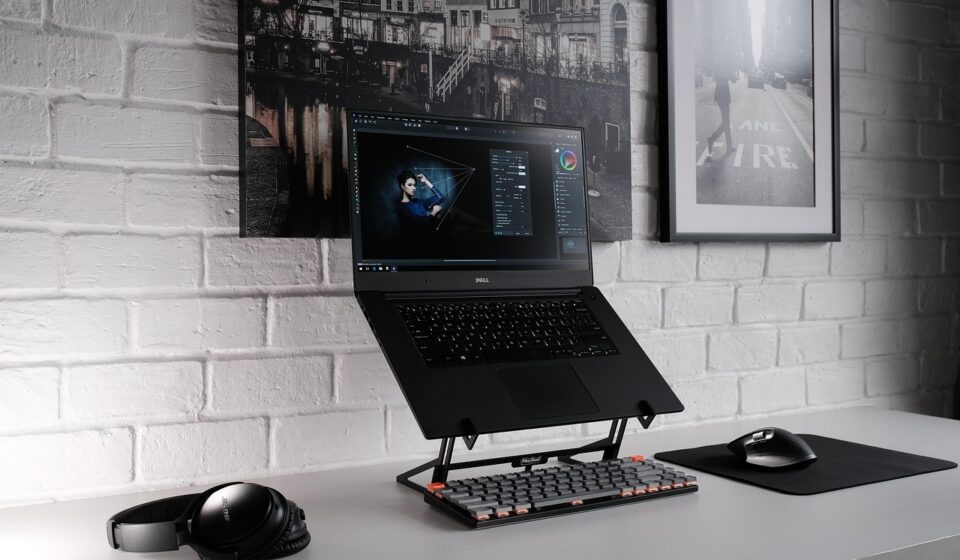
The Quest for the Perfect Pointer: Finding the Best Mouse for Work in 2026
In our busy digital environment, your mouse isn’t just a tool; it’s an extension of your hand, a direct conduit to your digital world. For professionals in 2026, the difference between a sluggish, uncomfortable mouse and a responsive, ergonomic marvel can be the difference between a productive day and one plagued by strain and inefficiency. This guide delves into what makes a mouse truly excel in a work setting, exploring the key features, types, and top contenders that define the best mouse for work this year.
Last updated: May 5, 2026
Key Takeaways
- Ergonomics are paramount for long workdays to prevent strain and injury.
- Wireless mice offer freedom and reduce desk clutter, but consider battery life and connectivity.
- DPI settings and sensor accuracy are vital for precision tasks like design or programming.
- Customizable buttons can significantly simplify workflows by automating repetitive actions.
- Durability and build quality ensure a long-term, reliable investment for your workstation.
Understanding Your Workflow: What Do You Need from Your Mouse?
Before diving into specific models, it’s essential to assess your daily workflow. Are you primarily typing documents, navigating spreadsheets, coding complex algorithms, designing intricate graphics, or managing large datasets? Each of these tasks places different demands on your mouse. For instance, a programmer might prioritize programmable buttons for shortcuts and a high-DPI sensor for quick cursor movement across multiple screens. A graphic designer, on the other hand, will likely seek superior cursor accuracy and a comfortable grip for extended design sessions. Practically speaking, understanding these nuances will help narrow down choices and ensure your investment truly pays off.
Consider the sheer volume of clicks and movements you make. Over an eight-hour workday, your mouse can rack up thousands of clicks and miles of cursor travel. A poorly designed mouse can lead to repetitive strain injuries (RSIs) like carpal tunnel syndrome, tendonitis, or general hand and wrist fatigue. This is where the concept of the best mouse for work truly emphasizes comfort and long-term health.
Ergonomics: The Cornerstone of a Comfortable Work Mouse
When we talk about the best mouse for work, ergonomics often takes center stage. An ergonomic mouse is designed to fit the natural contours of your hand, reducing strain on your wrist, forearm, and even shoulder. This design philosophy aims to promote a neutral posture, minimizing the pressure points that can lead to discomfort and injury over time.
There are several common ergonomic designs:
- Vertical Mice: These position your hand in a handshake grip, which is often more natural for the wrist and forearm. They can take some getting used to, but many users report significant relief from wrist pain.
- Contoured Mice: These mice feature sculpted shapes with thumb rests and curves that conform to the hand, offering a more natural and supportive grip than standard, ambidextrous designs.
- Trackball Mice: Instead of moving the entire mouse, you control the cursor with a thumb-operated trackball. This drastically reduces arm movement and can be ideal for users with limited desk space or severe wrist issues.
From a different angle, investing in an ergonomic mouse isn’t just about immediate comfort; it’s a preventative health measure. The U.S. Occupational Safety and Health Administration (OSHA) highlights the importance of proper workstation ergonomics to prevent musculoskeletal disorders. While they don’t endorse specific products, the principles of neutral posture and reduced force application are directly addressed by well-designed ergonomic peripherals.
The Logitech MX Vertical: A Case Study in Ergonomic Design
The Logitech MX Vertical is frequently cited as a leading example of ergonomic excellence. Its vertical “handshake” position aims to reduce wrist strain by up to 10%. It features a textured rubber grip and thoughtfully placed buttons, making it comfortable for extended use. While its unique shape might not suit everyone, for individuals experiencing wrist discomfort, it represents a significant step towards a pain-free workday. A user we spoke with, a software developer who previously suffered from wrist pain, noted that switching to the MX Vertical allowed them to work for longer periods without the usual ache.
Wireless Freedom: Connectivity and Battery Life Considerations
As of May 2026, wireless mice have become the standard for most office environments, and for good reason. They eliminate cable clutter, offering a cleaner workspace and greater freedom of movement. However, choosing a wireless mouse involves weighing different connectivity technologies and battery performance.
Connectivity Options:
- Bluetooth: Offers broad compatibility with most devices and typically uses less power. However, it can sometimes introduce slight input lag, which might be noticeable for fast-paced tasks.
- 2.4GHz Wireless Dongle: Connects via a small USB receiver. This usually provides a more stable and responsive connection with minimal latency, making it ideal for performance-critical work.
- Multi-Device Connectivity: Many modern mice allow you to pair with multiple devices (e.g., a laptop and a tablet) and switch between them with a button press. This is invaluable for professionals juggling several screens or operating systems.
Battery Life: This is a critical factor for wireless mice. Some mice use AA or AAA batteries, offering months or even years of use, while others are rechargeable via USB. Rechargeable options are convenient, but ensure they offer substantial battery life (weeks or months) on a single charge to avoid frequent interruptions.
The Logitech MX Master 3S, a perennial favorite, boasts an impressive battery life of up to 70 days on a full charge and can gain hours of use from a mere minute of charging. This level of endurance is what users expect from a top-tier best mouse for work.
What this means in practice: a mouse with reliable, long-lasting battery life means fewer interruptions and less time spent searching for charging cables or replacement batteries, contributing to a smoother workflow.
Precision and Performance: DPI, Sensor, and Cursor Control
For tasks requiring fine motor control, such as graphic design, video editing, CAD work, or even precise coding, the mouse’s sensor and DPI (dots per inch) settings are paramount. DPI refers to the mouse’s sensitivity; a higher DPI means the cursor moves further on the screen with a smaller physical mouse movement.
Sensor Technology: Modern mice use optical or laser sensors. Laser sensors generally offer higher precision and can track on more surfaces, including glass, though some optical sensors are now highly advanced. For most office tasks, either will suffice, but for specialized work, a high-quality laser sensor can be beneficial.
Adjustable DPI: The ability to adjust DPI on the fly is a significant advantage. A lower DPI (e.g., 400-800) is often preferred for detailed work where precise cursor placement is key. A higher DPI (e.g., 1600+) is useful for navigating large screens or multiple monitors quickly. The best mice for work offer a wide range of adjustable DPI settings, often accessible via a dedicated button.
According to tech reviews from sources like RTINGS.com (as of early 2026), mice designed for productivity often feature advanced sensors that balance sensitivity with tracking accuracy, ensuring a consistent cursor experience across various applications and screen resolutions.
For users who require extreme precision, consider mice with native high DPI settings and advanced tracking capabilities, such as those found in some professional-grade or even high-end gaming mice, provided they also meet ergonomic and feature requirements.
Customization and Workflow Efficiency: Programmable Buttons
One of the most overlooked features that can dramatically boost productivity is programmable buttons. Beyond the standard left-click, right-click, and scroll wheel, many work-focused mice offer additional buttons that can be assigned custom functions.
What can you program?
- Keystroke shortcuts: Assign complex keyboard shortcuts (e.g., Ctrl+Shift+T for reopening a closed tab in browsers) to a single mouse click.
- Application-specific commands: In design software, you might assign a button to activate the brush tool, or in a code editor, to comment out a line.
- Navigation: Use buttons for forward/back in browsers, or to switch between virtual desktops.
- Modifier keys: Some mice allow you to hold a button to change the function of other buttons.
The Logitech MX Master series is renowned for its extensive customization options via its Logi Options+ software. Users can tailor button functions not only globally but also on an application-by-application basis, creating personalized workflows that save significant time.
For example, a content creator might program one button to paste a standard disclaimer into documents, another to quickly switch between their email client and calendar, and a third to trigger a specific recording shortcut in their editing software. This level of customization transforms the mouse from a simple pointer into a command center for your most frequent tasks.
Build Quality and Durability: A Long-Term Investment
When seeking the best mouse for work, longevity is a key consideration. You want a device that can withstand the rigors of daily use for years to come. This means looking at build materials, switch quality, and overall construction.
Materials: High-quality plastics, rubberized grips, and durable scroll wheel mechanisms contribute to a mouse that feels solid and can withstand wear and tear. Cheaper mice often use flimsy plastics that can creak or break easily.
Switch Lifespan: Mouse switches are rated for a certain number of clicks (millions). High-quality switches, often found in premium mice, are rated for 50 million clicks or more, ensuring reliable performance over a long period. This is particularly important for users who click frequently.
Brand Reputation: Established brands like Logitech, Microsoft, and Anker often have a reputation for producing durable products. While not always the cheapest, their products tend to offer better longevity, justifying the initial cost. As noted by CNN in their recent home office deals coverage (April 2026), brands like Logitech are seen as reliable investments for productivity gear.
A mouse that lasts five years, for instance, can be more cost-effective and environmentally friendly than replacing a cheaper model every year. This durability is a crucial aspect of the ‘best mouse for work’ equation.
Best Mice for Work: Top Contenders in 2026
Based on current market trends, user reviews, and expert evaluations as of May 2026, here are some of the top contenders for the best mouse for work:
| Mouse Model | Key Features | Best For | Considerations |
|---|---|---|---|
| Logitech MX Master 4 (or 3S) | Ergonomic design, multi-device connectivity, hyper-fast scrolling, customizable buttons, excellent battery life. | General productivity, multitasking, users with medium-to-large hands. | Higher price point, not ideal for very small hands. |
| Logitech MX Vertical | Advanced ergonomic vertical design, reduced wrist strain, customizable buttons, smooth tracking. | Users experiencing wrist pain or seeking preventative ergonomic solutions. | Steep learning curve for some, bulkier than traditional mice. |
| Microsoft Sculpt Ergonomic Mouse | Ambidextrous contoured shape, comfortable thumb rest, simple plug-and-play. | Users preferring a less aggressive ergonomic angle, budget-conscious buyers. | Fewer customization options than MX Master series, requires AA batteries. |
| Apple Magic Mouse (for Mac users) | Sleek, minimalist design, multi-touch surface gestures, wireless. | Mac users who prefer gesture control and a clean aesthetic. | Can be uncomfortable for long sessions, charging port on the bottom is inconvenient. |
| Razer DeathAdder V3 Pro (for precision work) | Extremely high DPI, advanced optical sensor, lightweight, ergonomic shape, low latency wireless. | Graphic designers, programmers, anyone needing peak cursor accuracy and speed. | Gaming-centric features may be overkill for basic office tasks, higher cost. |
Logitech MX Master 4/3S: The Workhorse
The Logitech MX Master series, including the latest iterations like the MX Master 4 or its predecessor the 3S, continues to set the benchmark for the best mouse for work. Its sculpted ergonomic shape fits comfortably in most medium to large hands. The signature MagSpeed electromagnetic scroll wheel is a marvel, allowing for precise line-by-line scrolling or lightning-fast free-spinning through thousands of lines of text or code. With up to seven programmable buttons and smooth multi-device switching (up to three devices via Bluetooth or the included USB receiver), it’s a productivity powerhouse.
Its battery life is exceptional, lasting weeks on a single charge, and it charges via USB-C. While it’s a pricier option, its combination of comfort, features, and reliability makes it a worthwhile investment for professionals spending long hours at their computer.
Logitech MX Vertical: For Ultimate Comfort
As mentioned, the MX Vertical is designed from the ground up for ergonomic benefit. Its 57-degree vertical angle is engineered to reduce pronation and strain on the forearm and wrist. It features a soft rubber grip and a thumb wheel for horizontal scrolling, alongside customizable buttons. For individuals who suffer from or wish to prevent wrist pain, this mouse is often the solution they’ve been searching for.
The learning curve is the main hurdle. Some users find the initial adjustment period challenging, but the long-term comfort and reduction in pain typically make it worthwhile. Its advanced optical sensor provides accurate tracking, suitable for most professional tasks.
Microsoft Sculpt Ergonomic Mouse: A Solid Alternative
For those who find the MX Vertical too extreme or the MX Master too expensive, the Microsoft Sculpt Ergonomic Mouse offers a compelling middle ground. It features a comfortable, contoured shape with a dedicated thumb rest that promotes a natural hand position. It’s designed to be ambidextrous friendly, though its sculpted nature leans towards right-handed users. While it lacks the advanced customization of Logitech’s premium offerings, its plug-and-play simplicity and comfortable grip make it a solid choice for many office environments.
It runs on AA batteries, which are easily replaceable, and offers reliable wireless connectivity. Its blue track sensor works on most surfaces. It’s a reliable, no-fuss option for improving workday comfort.
Apple Magic Mouse: The Mac Ecosystem Choice
For Mac users, the Apple Magic Mouse presents a unique proposition. Its surface is entirely touch-sensitive, allowing for intuitive gesture controls—swiping through pages, scrolling through documents, and activating Mission Control with simple finger movements. The design is minimalist and sleek, fitting seamlessly into the Apple ecosystem. However, its flat profile and charging port placement (on the bottom, rendering it unusable while charging) are significant drawbacks for extended work sessions and users sensitive to ergonomics.
While it’s an elegant device, many Mac users opt for third-party mice like the Logitech MX Master series for more serious work, especially if ergonomics or extensive customization are priorities.
High-Precision Options: Razer DeathAdder V3 Pro
While often categorized as a gaming mouse, the Razer DeathAdder V3 Pro and similar high-end models excel in professional environments requiring absolute precision and speed. Its advanced optical sensor offers incredibly accurate tracking and adjustable DPI up to 30,000. Its lightweight, ergonomic design is comfortable for long sessions, and its low-latency wireless connection is virtually indistinguishable from a wired connection. The programmable buttons, while fewer than on a dedicated productivity mouse, are still useful for assigning critical shortcuts.
This type of mouse is ideal for tasks where cursor accuracy is paramount, such as 3D modeling, high-resolution photo editing, or complex coding where every pixel and line matters. The trade-off is often a higher price and a design that might appeal more to gamers, though its ergonomic shape is broadly beneficial.
Common Pitfalls to Avoid When Buying a Work Mouse
Even with the best intentions, buyers can fall into common traps when choosing a mouse. Understanding these pitfalls can save you frustration and ensure you make the right purchase.
- Ignoring Your Hand Size and Grip Style: A mouse that feels perfect for someone else might be uncomfortable for you. Always consider if the mouse is designed for palm grip, claw grip, or fingertip grip, and if its size suits your hand. What works as the best mouse for work for one person may not for another.
- Overlooking Battery Life: For wireless mice, poor battery life is a major productivity killer. Constantly needing to charge or replace batteries interrupts workflow. Aim for mice with extended battery life (weeks or months) or fast charging capabilities.
- Dismissing Ergonomics Too Quickly: Even if you don’t currently have pain, neglecting ergonomics can lead to problems down the line. Investing in an ergonomic mouse is a long-term health decision.
- Focusing Only on Price: The cheapest mouse is rarely the best value. A slightly more expensive, durable, and comfortable mouse will likely save you money and discomfort in the long run. As demonstrated by recent deals on quality peripherals from brands like Logitech (CNN, April 2026), investing in quality often pays off.
- Forgetting Software and Customization: A mouse with great hardware can be limited if its accompanying software is poor or non-existent. Ensure the software allows for meaningful customization of buttons and settings to match your workflow.
Expert Tips for Maximizing Your Mouse Experience
To truly unlock the potential of your mouse, consider these expert insights:
- Adjust Your DPI Settings: Don’t just stick with the default. Experiment with different DPI settings to find what feels most comfortable and efficient for your screen setup and tasks. A lower DPI is generally better for precision, while a higher DPI is good for speed.
- Use Programmable Buttons: Take the time to set up custom shortcuts for your most frequent tasks. This can save you countless clicks and keystrokes over time.
- Practice Good Ergonomics: Even with an ergonomic mouse, pay attention to your posture. Ensure your wrist is straight, your elbow is at a 90-degree angle, and your shoulders are relaxed.
- Consider a Mousepad with Wrist Support: For standard mice, a good mousepad can enhance comfort and precision. Some come with built-in gel wrist rests, which can provide additional support.
- Explore Multi-Device Functionality: If you use multiple computers or devices, a mouse that can switch seamlessly between them (like the Logitech MX Master series) is a major shift for productivity and convenience.
Frequently Asked Questions
What is the most important factor when choosing a mouse for work?
The most critical factor is ergonomics, ensuring the mouse fits your hand comfortably and promotes a neutral posture to prevent strain and injury during long work hours.
Are gaming mice suitable for office work?
Yes, some high-end gaming mice offer excellent precision, rapid response times, and comfortable ergonomic designs that can benefit professionals in fields like graphic design or programming.
How often should I replace my work mouse?
With quality mice, replacement might not be needed for 5-7 years or more. Focus on wear and tear or developing discomfort rather than a fixed schedule. Cheaper mice may need replacing every 1-3 years.
What is a good DPI range for office work?
A DPI range between 400 and 1600 is generally ideal for office tasks, balancing cursor speed with precision. Some users prefer higher DPI for multi-monitor setups, while others need lower DPI for detailed work.
Is a wired or wireless mouse better for work?
Wireless mice offer desk freedom and reduced clutter, which many prefer for work. Wired mice eliminate battery concerns and can offer slightly more responsive performance, though modern wireless technology is very close.
How can I test if a mouse is ergonomic for me?
Ideally, try holding the mouse in a store. If not possible, research reviews focusing on hand size and grip style compatibility. Pay attention to how your wrist and hand feel after a few minutes of simulated use.
Conclusion: Invest in Your Comfort and Productivity
Choosing the best mouse for work in 2026 is an investment in your comfort, health, and productivity. By considering your specific workflow, prioritizing ergonomic design, evaluating connectivity and battery life, and looking for features like adjustable DPI and programmable buttons, you can find a tool that enhances your daily tasks. Whether you opt for the all-around excellence of the Logitech MX Master 4, the specialized comfort of the MX Vertical, or another tailored option, the right mouse will make a tangible difference. Take the time to research and select a mouse that works as hard as you do, without causing you strain.
Last reviewed: May 2026. Information current as of publication; pricing and product details may change. Knowing how to address best mouse for work early makes the rest of your plan easier to keep on track.