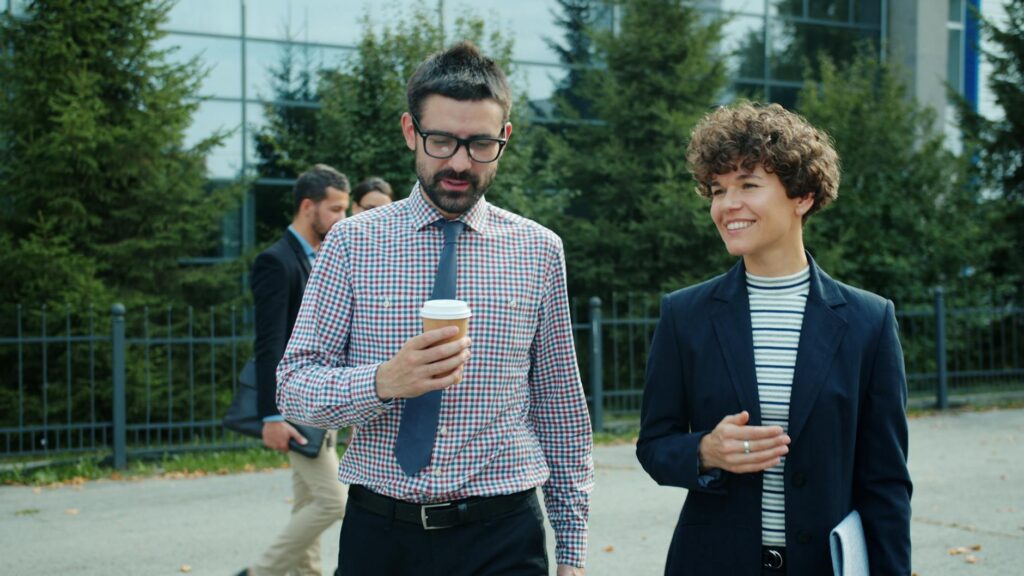
Business Casual: Your 2026 Guide to Professional Style
Imagine this: It’s Monday morning, and you’re staring into your closet, the familiar dread creeping in. What do you wear to strike that perfect balance between professional and approachable? In 2026, the lines between formal office wear and relaxed attire continue to blur, especially with the rise of hybrid work models. Mastering ‘business casual’ is no longer just about adhering to a dress code; it’s about communicating confidence, competence, and an understanding of modern workplace expectations. This guide will equip you with the knowledge to define and execute business casual for any professional setting.
What exactly constitutes business casual attire in 2026? It’s a dress code that bridges the gap between formal business professional wear and casual everyday clothing, emphasizing neatness and polish while allowing for more comfort and personal expression. The goal is to look put-together and respectable without being overly formal. It’s about making smart choices that reflect your role and the specific environment you’re in, ensuring you’re always ready for an impromptu meeting or a client video call.
What Does Business Casual Mean in 2026?
Business casual in 2026 signifies a professional yet relaxed dress code that deviates from traditional suits and ties. It prioritizes comfort and personal style within the bounds of workplace appropriateness, allowing for a blend of smart separates. The exact definition can vary by industry and company culture, but generally, it means looking polished without being overly formal.
Gone are the days when business casual strictly meant khakis and a polo shirt for men, or a conservative blouse and skirt for women. Today, it’s a more fluid concept, influenced by tech industry norms, the prevalence of remote work, and a broader acceptance of diverse personal styles. Think of it as smart, well-fitting clothing that is presentable for a professional environment but doesn’t require a full suit. It’s about looking sharp and feeling comfortable, a sweet spot that allows for individual expression while maintaining a professional image.
Table of Contents
- What Does Business Casual Mean in 2026?
- Key Components of Men’s Business Casual in 2026
- Key Components of Women’s Business Casual in 2026
- How to Navigate Business Casual for Hybrid Work
- Common Business Casual Mistakes to Avoid
- Business Casual Outfit Examples
- Frequently Asked Questions
Key Components of Men’s Business Casual in 2026
For men, business casual in 2026 revolves around smart separates that offer versatility and comfort. The foundation often includes well-fitting chinos or dress trousers, paired with a range of tops from collared shirts to refined knitwear. The emphasis is on quality fabrics and a modern silhouette.
Tops:
- Collared Shirts: A staple. Opt for button-downs in solid colors, subtle patterns (like checks or stripes), or even fine-gauge knits with a collar. Ensure they are well-ironed. Brands like Brooks Brothers and J.Crew have long offered reliable options for these.
- Polo Shirts: High-quality, well-fitting polos in solid, muted colors can work, especially in more relaxed environments. Avoid overly branded or brightly colored athletic styles.
- Sweaters: Crewneck, V-neck, or quarter-zip sweaters in merino wool, cashmere, or fine cotton are excellent layering pieces over collared shirts or worn on their own. Cardigans also fit the bill.
Bottoms:
- Chinos: These are the workhorses of men’s business casual. Choose well-tailored chinos in colors like navy, grey, tan, or olive. Avoid cargo pants or overly casual styles.
- Dress Trousers: Wool or wool-blend trousers offer a more polished look than chinos and are suitable for more formal business casual settings.
- Dark Wash Jeans: In very casual workplaces, dark, well-fitting, non-distressed jeans might be acceptable. Always err on the side of caution if unsure.
Outerwear & Shoes:
- Blazers/Sport Coats: A versatile blazer in navy, grey, or a subtle pattern instantly elevates an outfit.
- Shoes: Leather loafers, oxfords, derbies, or clean, minimalist leather sneakers are generally appropriate. Always ensure they are polished.
- Belts: A leather belt that complements your shoes is essential.
Key Components of Women’s Business Casual in 2026
For women, business casual offers a wide canvas for stylish and comfortable professional dressing. The focus is on versatile pieces that can be mixed and matched to create polished looks appropriate for various office settings and hybrid work arrangements.
Tops:
- Blouses: Silk, crepe, or high-quality cotton blouses in solid colors, subtle prints, or elegant patterns are ideal. Styles can range from classic button-downs to wrap tops or sophisticated shell tops.
- Knitwear: Fine-gauge sweaters, cardigans, and sophisticated pullovers in merino wool, cashmere, or cotton blends offer comfort and style.
- Tailored Shirts: Crisp, well-fitting button-down shirts in classic colors or modern patterns can be worn alone or layered.
Bottoms:
- Dress Pants: Tailored trousers in fabrics like wool, crepe, or ponte knit are a cornerstone. Look for straight-leg, wide-leg, or slim-fit styles that are comfortable and professional. Brands like Eileen Fisher or Ann Taylor often provide excellent options.
- Skirts: Pencil skirts, A-line skirts, or midi-length skirts in professional fabrics are suitable. Ensure they are an appropriate length for your workplace.
- Dresses: Sheath dresses, A-line dresses, or wrap dresses in professional fabrics and solid colors or subtle prints can be worn on their own or layered with a blazer or cardigan.
- Dark Wash Jeans: Similar to men’s wear, well-fitting, dark, non-distressed jeans might be acceptable in more casual offices.
Outerwear & Shoes:
- Blazers: A well-tailored blazer in neutral tones or a subtle pattern instantly polishes any business casual outfit.
- Cardigans: Longline or classic cardigans offer a softer layering option.
- Shoes: Comfortable yet professional options include loafers, block heels, pointed-toe flats, elegant mules, or clean, minimalist ankle boots.
- Accessories: Thoughtful accessories like scarves, delicate jewelry, and structured handbags complete the look.
How to Navigate Business Casual for Hybrid Work
The rise of hybrid work models in 2026 has reshaped how we approach business casual, demanding adaptability and a mindful approach to dressing for both in-office days and remote video calls. When working from home, the upper half of your attire often gets the most attention on camera, but maintaining a full, cohesive outfit can boost confidence and signal readiness for impromptu meetings.
For video calls, focus on your top half: a smart blouse, a collared shirt, or a refined sweater in a solid color or subtle pattern often works best. Solid colors tend to perform better on camera than busy patterns. Ensure your background is also professional and uncluttered. When heading into the office, your attire can lean slightly more towards traditional business casual, incorporating blazers, dressier trousers, or skirts.
The key is consistency. Aim for an outfit that feels comfortable for home but is still professional enough if you need to step out for an unexpected in-person meeting or a client visit. Layering pieces like a blazer or a smart cardigan can easily transition your look from relaxed home-office comfort to polished in-office readiness. Consider the specific company culture – some organizations have embraced a more relaxed hybrid dress code, while others maintain stricter standards.
Common Business Casual Mistakes to Avoid
Understanding what not to wear is just as crucial as knowing what to wear when it comes to business casual in 2026. Avoiding common pitfalls ensures you maintain a professional image and avoid inadvertently appearing underdressed or unprofessional.
One of the most frequent errors is confusing business casual with actual casual wear. This means avoiding items like:
- T-shirts with large graphics or slogans.
- Athletic wear, including leggings (unless specifically styled as part of a dressy outfit with a long tunic and blazer, and even then, proceed with caution), sweatpants, or gym shorts.
- Distressed or ripped jeans.
- Beachwear or overly revealing clothing.
- Worn-out or dirty shoes.
Another mistake is neglecting fit and grooming. Ill-fitting clothes, whether too baggy or too tight, can detract from an otherwise professional look. Similarly, wrinkled shirts, scuffed shoes, or unkempt hair can undermine your efforts. Always ensure your clothing is clean, pressed, and fits you well. For instance, in my experience consulting with tech startups in San Francisco during 2025, I observed that even in very casual environments, a focus on fit and clean lines made a significant difference in perceived professionalism.
According to a 2025 survey by the Society for Human Resource Management (SHRM), 63% of organizations have a formal dress code policy, with business casual being the most common. This highlights the enduring relevance of understanding these guidelines.
Business Casual Outfit Examples
To illustrate the principles of business casual, here are a few practical outfit examples for different scenarios in 2026:
| Scenario | Men’s Outfit | Women’s Outfit |
|---|---|---|
| Standard Office Day | Navy chinos, light blue button-down shirt, brown leather loafers, optional grey blazer. | Tailored black dress pants, cream silk blouse, black block heels, optional navy blazer. |
| Client Meeting (Slightly More Formal) | Charcoal dress trousers, crisp white button-down shirt, navy sport coat, oxfords. | Pencil skirt (knee-length), sophisticated patterned blouse, nude pumps, tailored grey blazer. |
| Casual Friday / Relaxed Office | Dark wash, well-fitting jeans, collared polo shirt or fine-gauge sweater, clean leather sneakers. | Dark wash, non-distressed jeans, stylish tunic top or button-down, loafers or elegant flats. |
| Hybrid Work (Office Day) | Comfortable dress trousers, merino wool crewneck sweater, leather boots. | Wide-leg crepe trousers, fitted knit top, stylish cardigan, loafers. |
Frequently Asked Questions
Is a suit considered business casual?
No, a full suit is generally considered business professional, which is a step above business casual. Business casual allows for more relaxed separates like blazers paired with chinos or dress trousers, rather than a matching suit jacket and pants.
Can I wear jeans for business casual?
In many modern workplaces, dark wash, well-fitting, and non-distressed jeans are acceptable as part of a business casual dress code. However, it’s crucial to understand your specific company’s policy, as some environments still prohibit jeans entirely.
What shoes are appropriate for business casual?
Appropriate shoes for business casual include loafers, oxfords, derbies, elegant flats, block heels, stylish mules, and clean, minimalist leather sneakers. Avoid athletic sneakers, flip-flops, or overly casual sandals.
How can I tell if an outfit is too casual for business casual?
If your outfit includes items like graphic t-shirts, athletic wear, ripped clothing, beachwear, or anything too revealing, it’s likely too casual. Always consider if you would feel comfortable wearing the outfit to meet a client or senior executive.
Does business casual require a tie for men?
Typically, a tie is not required for business casual attire. Ties are generally associated with more formal business professional dress codes. For business casual, the focus is on a collared shirt, well-fitting trousers, and possibly a blazer or sweater.
Elevate Your Professional Presence with Business Casual
Mastering the business casual dress code in 2026 is about more than just following rules; it’s about understanding how your attire impacts your professional image and confidence. By focusing on well-fitting pieces, quality fabrics, and thoughtful coordination, you can create a versatile wardrobe that seamlessly transitions between office environments, hybrid workdays, and important meetings. Remember to always consider your specific workplace culture and err on the side of caution if in doubt. Ultimately, the goal is to present yourself as polished, capable, and current.
Last updated: April 2026