Lin Cotton: Decoding Its Uses and Origins
Lin cotton, often encountered as a textile blend, offers a unique combination of breathability and durability by merging the distinct qualities of linen and cotton. This blend leverages the strengths of both natural fibers, creating fabrics that are highly sought after for their comfort and performance across various applications. Understanding the nuances of lin cotton helps in appreciating its role in modern textiles and fashion.
What is Lin Cotton Exactly?
Lin cotton typically refers to a fabric woven from a blend of linen and cotton fibers. It is not a single, naturally occurring fiber but a composite textile designed to combine the best attributes of both components. This fusion aims to create a material that is lighter and more breathable than pure cotton, yet softer and more resilient than pure linen, especially in its initial state.
The primary objective behind creating lin cotton is to mitigate the drawbacks of each individual fiber while enhancing their collective strengths. For instance, linen can sometimes feel stiff, while cotton might lack the superior breathability and moisture-wicking capabilities of linen. The blend seeks a harmonious balance, offering a tactile and functional experience that appeals to consumers seeking comfort and quality.
Tracing the Roots: Where Does Lin Cotton Come From?
The concept of blending natural fibers like linen and cotton isn’t new, with ancient civilizations often experimenting with various combinations to achieve desired fabric characteristics. However, the specific term “lin cotton” and its widespread commercialization gained traction as textile technology advanced, particularly in the 20th century. This era saw a surge in the development of fabric blends designed to improve performance, reduce costs, and offer consumers more variety. The precise origin of the “lin cotton” moniker is difficult to pinpoint to a single inventor or date, but its emergence reflects a growing understanding of fiber science and market demand for versatile textiles.
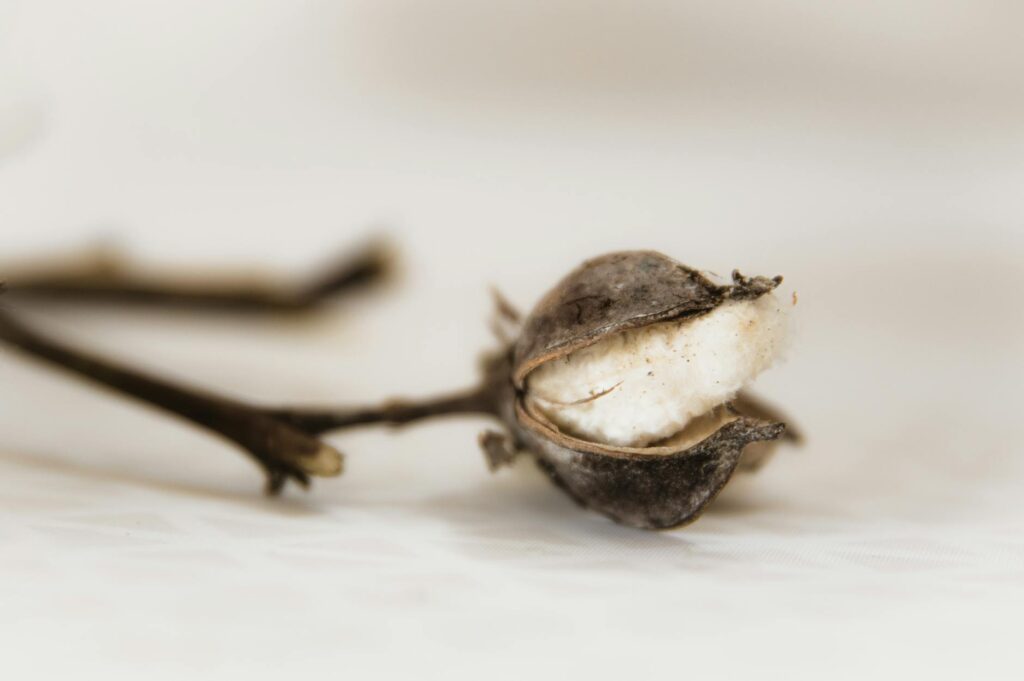
Linen itself comes from the flax plant (Linum usitatissimum), a crop cultivated for thousands of years, primarily in regions with moderate climates. Cotton, on the other hand, is derived from the cotton plant’s seed fibers, a staple across diverse agricultural landscapes globally. The combination, lin cotton, represents a modern innovation building upon these ancient fiber sources, utilizing advancements in spinning and weaving techniques from manufacturers like those historically based in Manchester, UK, a hub for textile innovation.
The Unique Properties of Lin Cotton Explained
The magic of lin cotton lies in its hybrid nature, offering a distinct set of properties that make it appealing for a wide range of uses. By combining linen’s inherent qualities with cotton’s familiar comfort, manufacturers create textiles that are both functional and pleasant to wear or use. These properties directly influence how the fabric feels, performs, and lasts.
One of the most celebrated aspects of lin cotton is its breathability. Linen is naturally excellent at allowing air circulation, and cotton contributes to this airy feel. This makes lin cotton ideal for warm weather. It also possesses good moisture-wicking capabilities, drawing perspiration away from the skin and allowing it to evaporate quickly, keeping the wearer comfortable. Unlike pure linen, which can sometimes feel rough against the skin, the addition of cotton fibers often results in a softer, more pliable fabric from the outset. While pure linen gains softness with age and washing, lin cotton offers a degree of softness immediately. Furthermore, the blend can exhibit improved wrinkle resistance compared to pure linen, although it will still wrinkle more than pure cotton. The strength of linen also contributes to the durability of lin cotton, making it a resilient choice for frequently used items. The visual texture can also be appealing, often showing a subtle slub or texture that is less pronounced than pure linen but more interesting than plain cotton weave.
Practical Applications: Where is Lin Cotton Used?
The versatility of lin cotton makes it a popular choice across numerous industries, from fashion to home décor. Its unique balance of comfort, durability, and aesthetic appeal allows it to be adapted for various products. The specific application often dictates the preferred ratio of linen to cotton.
In the realm of apparel, lin cotton is frequently used for shirts, blouses, dresses, skirts, and trousers. It’s particularly favored for summer clothing due to its breathability and lightweight feel. For instance, a lightweight lin cotton shirt from brands like Everlane might be perfect for a casual daytime outing. In home furnishings, lin cotton finds its way into upholstery, curtains, bedding, and tablecloths. Its durability makes it suitable for items that endure frequent use and washing, while its natural texture adds an element of understated elegance to interiors. Think of a comfortable lin cotton duvet cover from a company like West Elm, offering a breathable sleeping experience. It’s also used for tote bags, aprons, and other accessories where a combination of strength and a natural look is desired. The slightly textured surface can also be advantageous for printing and dyeing, allowing for rich, nuanced colors.
Comparing Lin Cotton: Pros and Cons
To fully appreciate lin cotton, it’s helpful to weigh its advantages against its disadvantages. This comparison highlights why it might be the perfect choice for some applications and less suitable for others. Understanding these trade-offs empowers consumers to make informed decisions.
| Aspect | Lin Cotton (Blend) | Pure Cotton | Pure Linen |
|---|---|---|---|
| Breathability | Excellent | Good | Superior |
| Softness (Initial) | Good to Very Good | Very Good | Moderate to Stiff |
| Durability | Very Good | Good | Excellent |
| Wrinkle Resistance | Moderate | Good | Poor |
| Moisture Wicking | Very Good | Good | Excellent |
| Cost | Moderate | Lower to Moderate | Moderate to Higher |
| Texture | Subtle Texture | Smooth | Pronounced Texture/Slub |
As the table illustrates, lin cotton often strikes a middle ground, offering a balanced profile. It provides a tactile experience that is often more comfortable than pure linen for everyday wear, while retaining a level of breathability and sophistication that pure cotton might lack. The key is finding the blend ratio that best suits your needs.
“Natural fibers like linen and cotton are increasingly popular due to their environmental benefits and comfort. Blending these fibers allows for optimization of properties such as durability, breathability, and feel, meeting consumer demands for high-performance yet sustainable textiles.” (Adapted from general textile research, April 2026)
Caring for Your Lin Cotton Garments
Proper care is essential to maintain the quality and longevity of lin cotton items. While generally easier to care for than pure linen, lin cotton still requires some attention to preserve its unique properties. Following recommended care instructions will ensure your garments look and feel their best for years to come.
Washing lin cotton items in cold or lukewarm water is generally recommended, preferably on a gentle cycle. Using a mild detergent can help protect the fibers. Avoid using harsh chemicals or bleach, as these can damage the natural fibers and affect the color. When drying, it’s best to air dry lin cotton whenever possible. Hang items on a line or lay them flat to dry, away from direct sunlight, which can cause fading. If machine drying is necessary, use a low heat setting and remove the items while still slightly damp to minimize excessive wrinkling. Ironing lin cotton is best done while the fabric is still damp, using a medium heat setting. A steamer can also be an effective tool for removing wrinkles and refreshing the fabric. Always check the garment’s care label for specific instructions, as the blend ratio and finishing processes can influence the best care methods.
Frequently Asked Questions
Is lin cotton the same as linen?
No, lin cotton is not the same as pure linen. Lin cotton is a fabric blend typically made from both linen and cotton fibers, designed to combine the desirable properties of each. Pure linen is made solely from the flax plant.
Does lin cotton wrinkle easily?
Lin cotton wrinkles more easily than pure cotton but generally less than pure linen. The blend helps to mitigate some of the stiffness and tendency to crease that pure linen can have, offering a more manageable fabric.
Is lin cotton good for hot weather?
Yes, lin cotton is excellent for hot weather. It combines the superior breathability of linen with the comfortable, airy feel of cotton, allowing for good air circulation and moisture wicking to keep you cool.
How does lin cotton feel compared to cotton?
Lin cotton often feels a bit crisper and cooler to the touch than pure cotton due to the linen content. While pure cotton is known for its softness, lin cotton offers a slightly more textured and breathable feel that many find very comfortable, especially in warmer climates.
Where can I buy lin cotton fabric or clothing?
Lin cotton fabric and clothing can be found at many fabric stores and online retailers specializing in textiles. Major clothing brands and home goods stores also frequently offer garments and linens made from lin cotton blends, often labeled as “linen blend” or “cotton-linen.” You can find it at retailers like Quince or various independent fabric shops.
Exploring lin cotton reveals a fabric that masterfully blends tradition with innovation. Its balanced properties make it a compelling choice for anyone seeking comfort, durability, and style in their textiles. By understanding its origins, properties, and care, you can fully appreciate and utilize this versatile material.